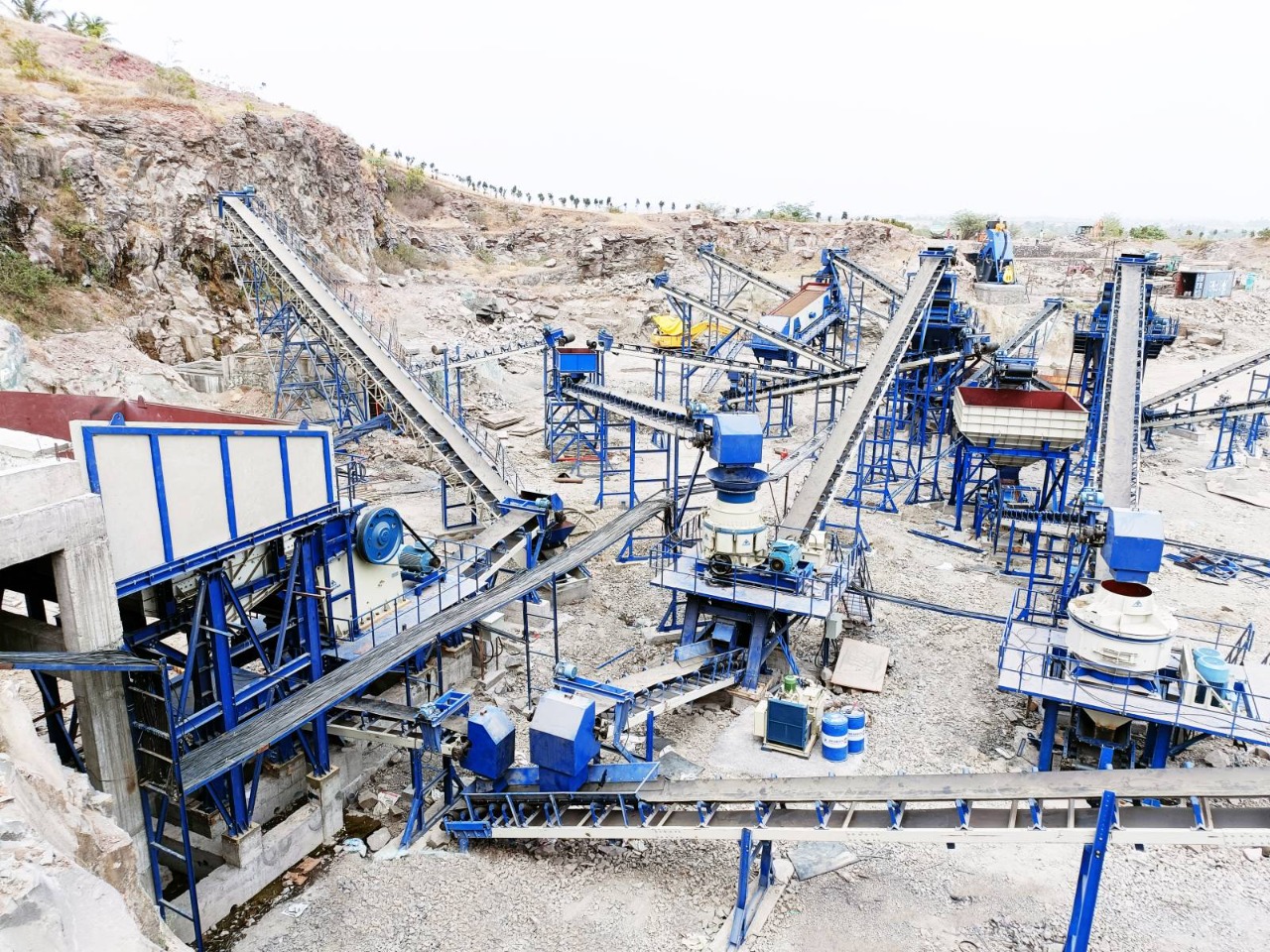
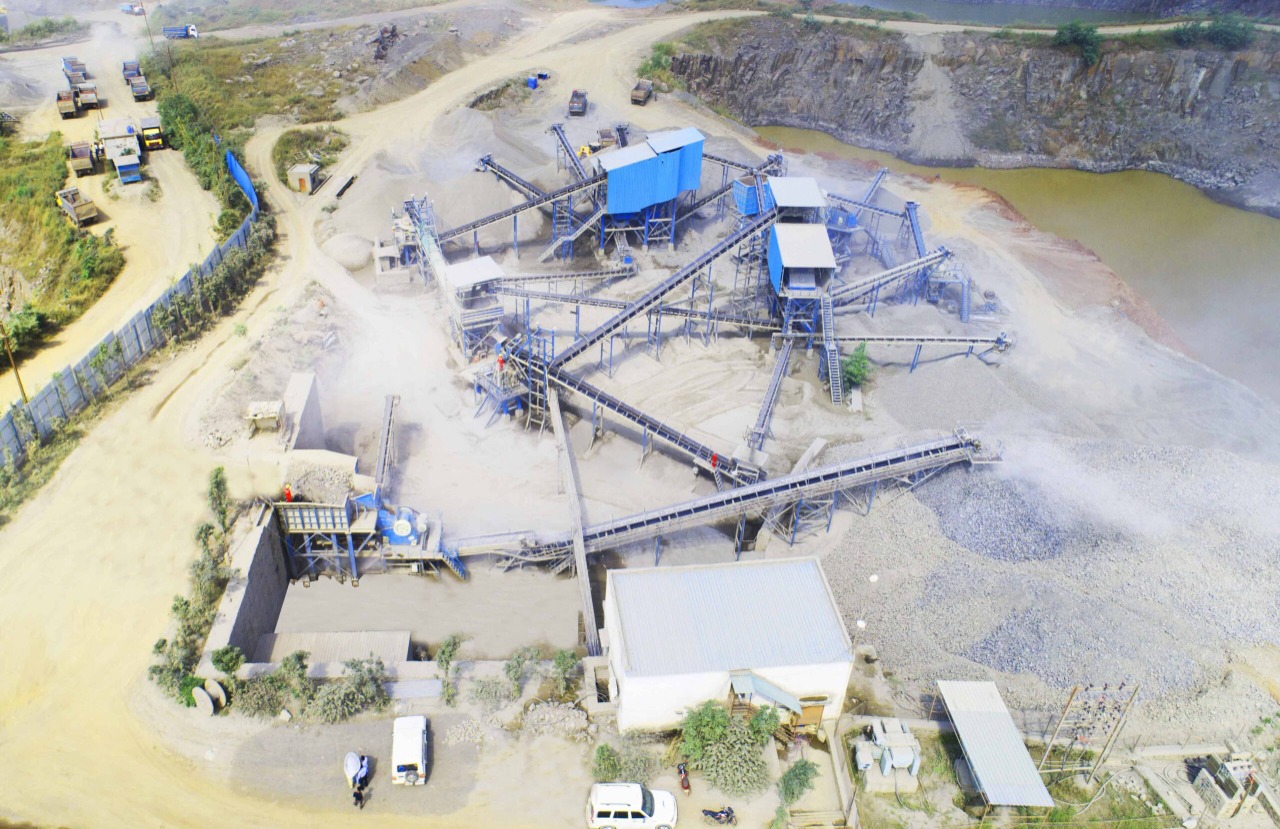
Start with the Right Plant Configuration
Plant efficiency begins with matching the crushing stages, equipment selection and capacity to the feed material and required final products. A balanced flow reduces bottlenecks and helps each machine operate within its intended range.
- Confirm feed size, hardness and abrasiveness.
- Define required product sizes and expected production volume.
- Select a suitable jaw, cone, VSI, screen and washing combination.
Maintain Consistent Feeding
Irregular feeding can reduce output, increase wear and create unstable loads. A correctly selected feeder and controlled material flow help the crusher work continuously and efficiently.
- Avoid sudden surges and empty running.
- Remove unwanted oversize or contaminants before crushing.
- Keep transfer points clear and correctly aligned.
Monitor Settings and Wear
Closed side settings, screen condition and wear-part profile directly affect capacity and product shape. Routine checks make it easier to identify gradual performance losses before they become major production issues.
- Record crusher settings and output trends.
- Inspect liners, jaw plates, screens and conveyor components.
- Use genuine replacement parts suited to the equipment.
Measure Cost per Tonne
High output alone does not always mean efficient production. Power consumption, wear life, downtime, recirculating load and saleable product yield should be reviewed together to understand the true cost per tonne.